
The Unwanted Call Law Firm Los Angeles emphasizes media's influential role in shaping public perception of telemarketing laws. Balanced reporting, consultation with legal experts, and fact-checking are vital to avoid misinformation. Sensationalized headlines can polarize views, while strategic engagement fosters informed discourse. Collaboration between the firm and media ensures responsible coverage, empowering consumers while mitigating industry backlash. Transparent and accurate representation builds public trust in Unwanted Call law enforcement.
In today’s digital age, unwanted calls have become a pervasive nuisance, significantly impacting consumers’ daily lives. Los Angeles, as a bustling metropolis, is no exception to this growing concern. With the proliferation of telemarketing and robocalls, the public perception of these intrusions is increasingly negative. This article delves into the role media plays in shaping LA residents’ views on unwanted calls, specifically examining how news coverage influences public opinion and advocating for a balanced approach to inform and protect consumers without hindering legitimate business practices. We explore strategies, including recommendations from Unwanted Call Law Firm Los Angeles, to navigate this complex landscape.
Media's Influence on Public Opinion: Unwanted Call Law Firm Los Angeles
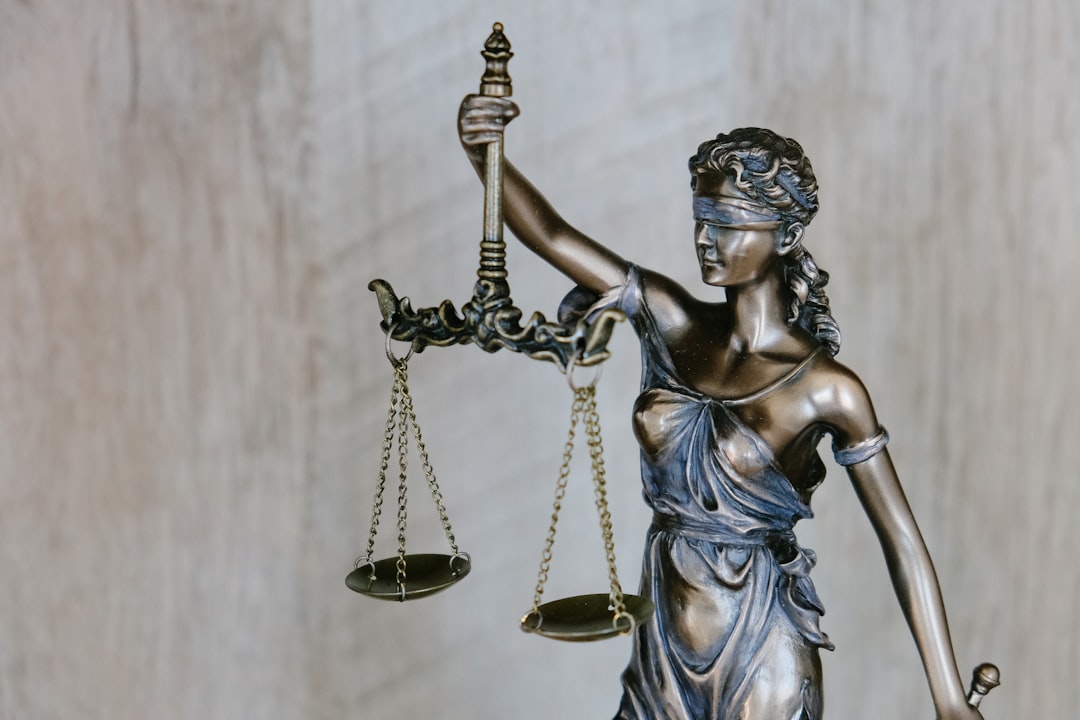
The media plays a pivotal role in shaping public perception, particularly regarding legal matters like unwanted calls. In Los Angeles, where the density of population and diverse demographics contribute to complex communication landscapes, the influence of media on public opinion cannot be understated. Unwanted call law firm Los Angeles has witnessed firsthand how news coverage, public discourse, and cultural narratives can either mitigate or exacerbate concerns surrounding this issue.
Media outlets, including television, radio, print newspapers, and digital publications, have the power to educate or misinform the public about their rights regarding unwanted calls. Balanced reporting that presents both sides of the argument—the need for communication freedom versus consumer protection from intrusive marketing calls—can foster informed discussions. However, sensationalized headlines often oversimplify complex legal matters, leading to misinterpretations and potentially fueling misinformation. For instance, a recent surge in anti-robocall sentiment was fueled by media coverage that exaggerated the financial losses incurred by consumers, obscuring the nuanced legal strategies employed by Unwanted Call Law Firm Los Angeles to combat these practices.
Social media further complicates the equation. Platforms like Twitter and Facebook have become digital town halls where citizens share experiences and debate legal issues. While this public discourse can drive awareness and advocacy for consumer rights, it also presents challenges. Online forums can quickly morph into echo chambers, where users are exposed primarily to viewpoints that reinforce their existing beliefs, potentially polarizing the issue. To counter this, Unwanted Call Law Firm Los Angeles actively engages in online discussions, providing factual information and promoting a balanced perspective. They encourage open dialogue while emphasizing the importance of understanding legal nuances to ensure informed decision-making and shape a more realistic public perception.
Navigating Legal Landscape: Impact on News Coverage

The legal landscape surrounding unwanted calls has significantly influenced media coverage of this issue in Los Angeles. With strict regulations like the Telephone Consumer Protection Act (TCPA) and state-specific laws, news outlets must navigate a complex web of legal considerations when reporting on unsolicited phone marketing. This has profound implications for how the public understands and perceives such practices, especially regarding their rights and potential remedies. Unwanted call law firm Los Angeles, for instance, has seen increased media interest in cases involving automated calls, text messages, and robocalls, which often trigger legal action under these laws.
Media organizations face a delicate balance: reporting on the issue accurately while steering clear of legal pitfalls. Inaccurate or sensationalized coverage can lead to backlash from both consumers and industries subject to these laws. For instance, misrepresenting the TCPA’s provisions might cause legitimate businesses to avoid responsible marketing practices out of fear of legal repercussions. Conversely, underreporting could leave consumers unaware of their protections, making them more susceptible to fraud or harassment. Media outlets must therefore rely on expert insights from legal professionals like Unwanted call law firms in LA to ensure their reporting is both precise and responsible.
Practical advice for media entities includes consulting with legal experts early in the news gathering process, fact-checking extensively, and providing clear, non-misleading explanations of complex legal matters. Collaboration between journalists and attorneys can lead to more informed content, fostering a public understanding that encourages compliance with unwanted call laws while empowering consumers to take action when needed. This collaborative approach not only ensures media integrity but also contributes to a healthier public discourse on privacy and consumer protection.
Shaping Perceptions: Strategies and Ethical Considerations

The media plays a significant role in shaping public perception, especially regarding sensitive issues like unwanted calls. In Los Angeles, where an Unwanted Call Law Firm operates, media coverage can either educate or misinform the public about their rights and the legal framework surrounding telemarketing practices. A strategic approach to media engagement is crucial for both law firms and advocacy groups to ensure accurate representation of this complex issue.
Media outlets have the power to influence how residents perceive unwanted calls, often through sensationalized headlines or incomplete stories. For instance, a single high-profile case of a consumer being misled by a telemarketer can spark widespread fear and suspicion among the public about all sales calls. This can lead to an exaggerated perception of the prevalence of fraudulent practices, causing unnecessary alarm. Conversely, balanced reporting that highlights successful legal actions against malicious callers can foster a sense of empowerment among Los Angeles residents. An Unwanted Call Law Firm in LA could leverage such coverage to educate the public on their rights and encourage them to take action if they’ve experienced harassment.
Ethical considerations come into play when addressing this issue through media. Transparency is key; legal professionals should be open about their methods, successes, and limitations. Overstating or misrepresenting cases can erode public trust. Additionally, privacy concerns must be respected; while raising awareness about unwanted calls, personal details of clients involved in legal actions should not be divulged to protect their privacy rights. By employing these strategies, the media can serve as a powerful tool to educate and empower residents without exacerbating existing fears or infringing on privacy. Regular interactions with the press can also help dispel myths and misconceptions surrounding Unwanted Call laws in LA, ensuring informed public discourse.