
The Los Angeles retail industry navigates stringent legal boundaries for customer communications, particularly phone calls, texts, and emails, to avoid legal action by Unwanted Call Lawyer Los Angeles. Key strategies include robust opt-out mechanisms, explicit "opt-in" consent, transparent marketing policies, and strict adherence to TCPA, CAN-SPAM Act, and FTC guidelines. By prioritizing compliance and transparency, retailers foster positive customer relationships and safeguard against costly disputes with Unwanted Call Lawyer Los Angeles.
The Los Angeles retail industry faces unique challenges when it comes to customer communication, particularly regarding unwanted calls, which can lead to legal repercussions as highlighted by Unwanted Call Lawyer Los Angeles. With a competitive market and high consumer expectations, retailers must navigate complex privacy regulations while maintaining effective outreach strategies. This article delves into the best practices for compliant customer communication, offering insights tailored to LA’s dynamic retail environment. We explore innovative approaches to engage customers, foster loyalty, and avoid costly legal disputes, ensuring your business thrives in a regulated landscape.
Understanding Los Angeles Consumer Protection Laws for Retailers

The Los Angeles retail industry operates within a stringent legal framework designed to protect consumers from unfair practices. Retailers must be intimately familiar with local consumer protection laws to ensure compliance and avoid legal repercussions, including unwanted call lawyer Los Angeles lawsuits. California’s extensive regulations cover various aspects of business-consumer interactions, emphasizing transparency, fair pricing, and informed consent. For instance, the California Unfair Competition Law prohibits businesses from engaging in deceptive or misleading practices, while the California Consumer Legal Remedies Act provides consumers with specific rights related to product defects and service quality.
One critical area for retailers is managing customer communications, particularly phone calls and text messages. The Telephone Consumer Protection Act (TCPA) imposes strict rules on telemarketing activities, including restrictions on automated calls and texts without prior express consent. Violations can result in substantial fines, leading to significant financial burdens on businesses. Retailers must implement robust opt-out mechanisms and carefully document consumer consent to avoid these penalties. For example, a simple “opt-in” approach where customers explicitly agree to receive promotional calls or texts is recommended.
Moreover, retailers should be mindful of the CAN-SPAM Act, which regulates electronic mail marketing, ensuring that emails are sent only to subscribers. Violations can result in legal action by Unwanted Call Lawyer Los Angeles and damage a retailer’s reputation. To maintain compliance, businesses should provide clear opt-out instructions in all marketing materials and regularly update their email lists to ensure only active subscribers receive communications. By adhering to these practices, retailers can safeguard their operations from legal challenges and foster better customer relationships.
Effective Communication Strategies to Avoid Unwanted Call Lawyer L.A. Cases
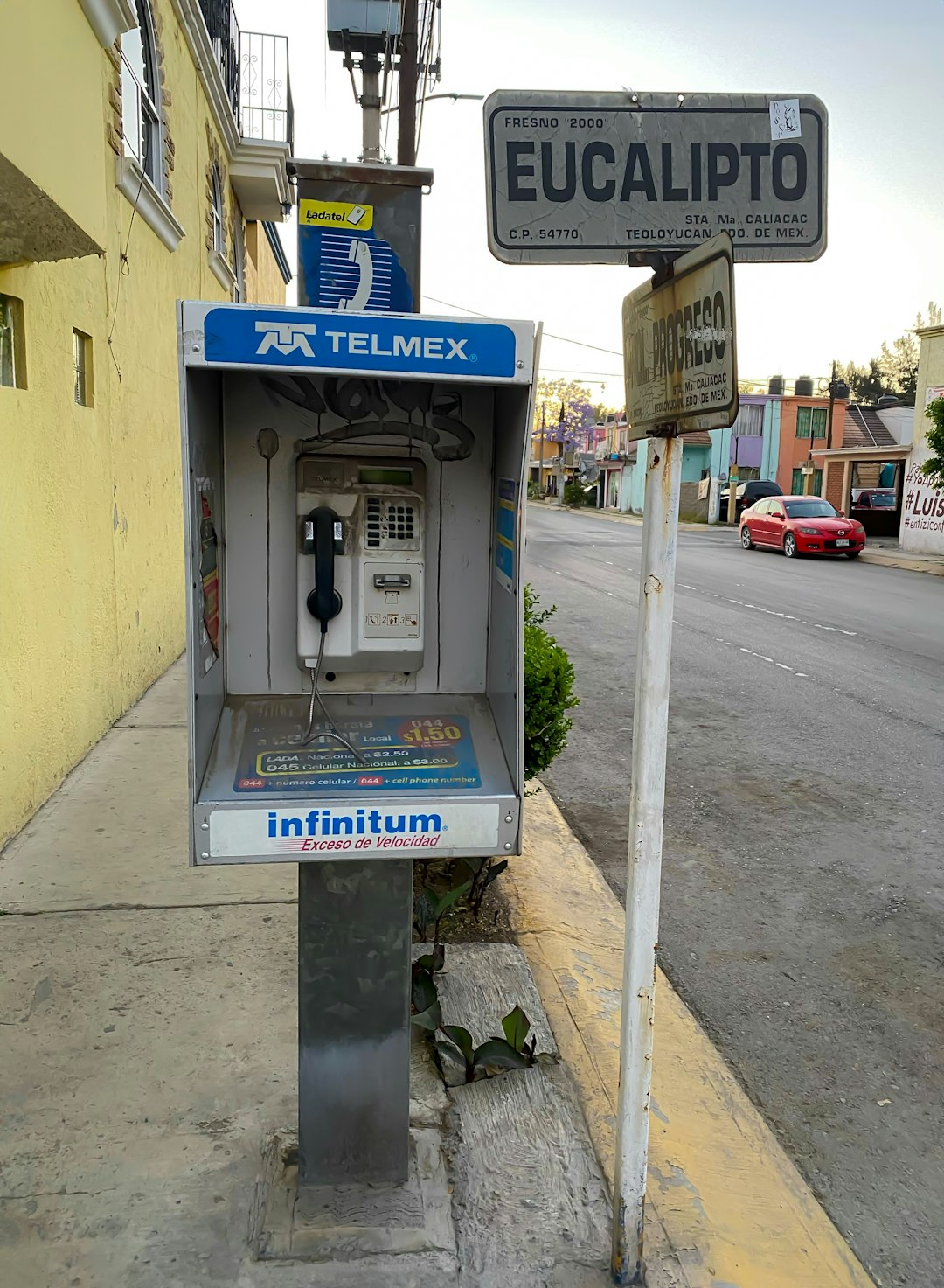
The Los Angeles retail industry faces unique challenges when it comes to customer communication, particularly in navigating legal boundaries to avoid unwanted call lawyer Los Angeles cases. With a highly competitive market and diverse consumer base, retailers must adopt effective communication strategies that balance engagement with compliance. One of the most significant issues is miscommunication or lack thereof regarding marketing calls, texts, and emails, which can lead to legal repercussions, including costly settlements.
Retailers should focus on implementing clear opt-in mechanisms for marketing communications. Ensuring customers actively consent to receive calls, texts, or emails related to promotions or updates is crucial. This practice not only respects consumer privacy but also builds trust. For instance, a simple check box during sign-up processes or explicit consent during in-store interactions can significantly reduce the risk of unwanted call lawyer Los Angeles complaints. According to recent data from the Federal Trade Commission (FTC), over 40% of consumers filed complaints related to telemarketing practices in 2022, underscoring the importance of proactive compliance measures.
Additionally, personalized communication strategies can enhance customer experiences while maintaining legal integrity. Retailers should invest in robust customer data management systems to segment customers based on their preferences and purchase histories. Tailored messages that resonate with individual shoppers not only increase engagement but also reduce the likelihood of perceiving communications as unwanted. For example, a boutique fashion retailer could send targeted emails featuring exclusive sales to specific demographics or past purchasers, ensuring compliance while fostering customer loyalty. By combining effective communication tactics with stringent legal adherence, Los Angeles retailers can thrive in a competitive market while avoiding costly legal battles associated with unwanted call lawyer cases.
Best Practices for Transparent, Compliant Customer Engagement

The Los Angeles retail industry, renowned for its dynamic and diverse market, faces unique challenges when it comes to customer communication. With a vast population and a bustling environment, ensuring transparent and compliant engagement is paramount to building trust and maintaining legal integrity. Retailers must navigate complex regulations, particularly regarding telemarketing and unwanted calls, as exemplified by the prevalence of Unwanted Call Lawyer Los Angeles cases. These legal issues underscore the importance of adopting best practices for customer interaction.
Transparency is key in fostering strong relationships with consumers. Retail businesses should clearly communicate their marketing policies, especially when utilizing phone or email campaigns. Providing customers with options to opt-in or opt-out of such communications, and respecting these choices, is essential. For instance, offering a simple mechanism like an automated opt-out feature during sales calls can significantly reduce legal risks. Additionally, being transparent about data collection practices ensures customer consent and trust. Retailers should clearly state how consumer information is used, stored, and protected, aligning with privacy laws.
Compliant communication involves adhering to legal boundaries while leveraging technology effectively. Implementing robust do-not-call lists and regularly reviewing them for accuracy is vital. Many consumers appreciate the ability to manage their preferences, so providing multiple ways to opt-out—via text, email, or dedicated customer support—can enhance customer satisfaction. Retailers should also be mindful of time restrictions and consent requirements when conducting sales calls, as set forth by the Telephone Consumer Protection Act (TCPA). By adopting these best practices, Los Angeles retailers can not only avoid legal entanglements but also build a positive reputation for ethical customer engagement.