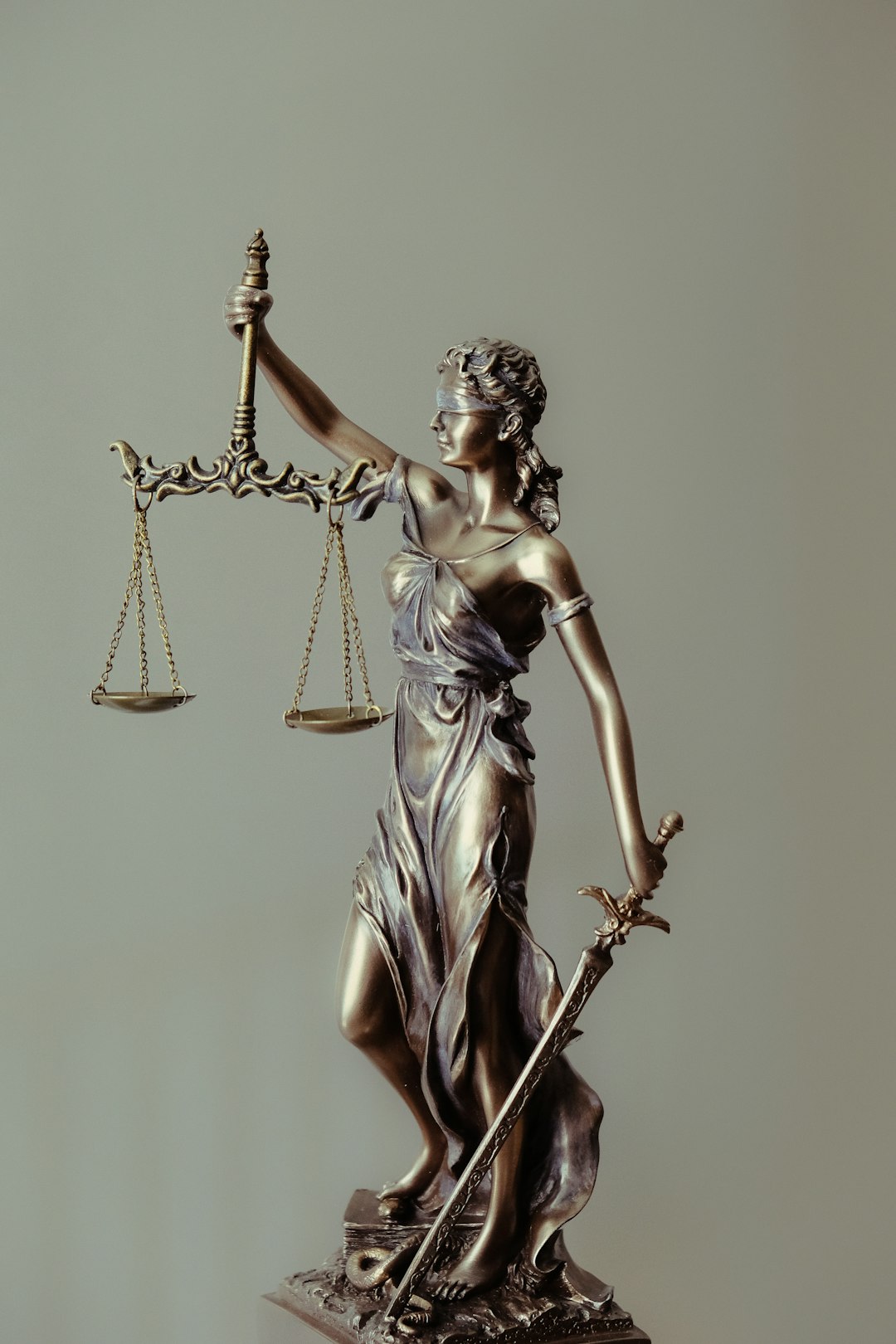
In Los Angeles, California's Telephone Consumer Protection Act (CTCPA) and Fair Debt Collection Practices Act (FDCPA) protect individuals from unwanted debt collection calls. Documenting interactions is key to asserting rights. Unwanted call attorneys Los Angeles specialize in FDCPA complexities, offering cease-and-desist letters, negotiations, and legal claims. Requesting validation under the FDCPA halts further unwanted calls. These attorneys guide clients, advocate for fair practices, and represent them in court if needed, ensuring financial peace of mind.
Navigating debt collection calls can be a daunting task, especially when the debts don’t even belong to you. In Los Angeles, where bustling legal landscapes present complex issues, unwanted call attorneys play a crucial role in protecting individuals from wrongful debt collection practices. This article delves into the intricate world of debt collection and offers valuable insights for those facing intrusive phone calls related to someone else’s debt. We’ll explore strategies to handle these situations effectively, ensuring your rights are upheld while aiming to resolve the issue efficiently.
Understanding Your Rights Against Unwanted Call Attorneys Los Angeles

In Los Angeles, as in many urban centers across the country, debt collection calls have become a persistent issue for individuals struggling with overwhelming debt. While it’s crucial to address your financial obligations, you’re entitled to protection from aggressive or unwanted call attempts, especially when dealing with someone else’s debt. California law, particularly the California Telephone Consumer Protection Act (CTCPA), provides robust safeguards against harassing phone calls, including those from debt collection agencies and unwanted call attorneys Los Angeles. This legislation recognizes the distress caused by repeated unwanted calls and aims to safeguard consumers’ peace of mind.
Under the CTCPAA, individuals have the right to block certain types of telephone solicitations, including debt collection calls if they choose to opt out. Furthermore, these laws restrict the time of day when such calls can be made, ensuring some respite during personal time. For instance, calls must cease between 9:00 p.m. and 8:00 a.m., offering residents a critical period of privacy. Additionally, debt collection agencies are prohibited from using abusive or oppressive language, threatening legal action without intention, or claiming to have information that they do not possess—a common tactic employed by unwanted call attorneys Los Angeles.
If you’re facing persistent debt collection calls, particularly those deemed harassing or unfair, it’s advisable to educate yourself on your rights. Documenting each interaction, including dates, times, and the content of the calls, serves as valuable evidence if you decide to take legal action. Many consumers have successfully asserted their rights under these laws, with settlements often resulting from agencies’ non-compliance. Remember, understanding and asserting your rights against unwanted call attorneys Los Angeles or any debt collection agency is not only a matter of convenience but also ensures fair treatment during an already stressful financial situation.
Navigating Debt Collection Calls for Someone Else's Debt Legally

Navigating debt collection calls regarding someone else’s debt can be legally complex, particularly in a bustling metropolis like Los Angeles. Unwanted call attorneys Los Angeles often encounter clients facing this dilemma, where they receive relentless phone calls from creditors seeking payment for another individual’s financial obligations. Understanding your rights and legal options is crucial to handling such situations effectively.
In California, the Fair Debt Collection Practices Act (FDCPA) provides borrowers with significant protections against abusive or unfair debt collection practices. This legislation restricts the time of day collectors can call, requires them to identify themselves and the creditor they represent, and prohibits false or deceptive statements. If you are being harassed by debt collectors calling about someone else’s debt, these laws offer a framework for legal recourse. For instance, if a collector calls you repeatedly after being informed that the debt is not yours, you may have grounds to file a complaint with the Federal Trade Commission (FTC) and seek legal action against them.
Practical advice includes maintaining detailed records of all interactions, including dates, times, and the content of conversations. Note any abusive or harassing conduct and gather evidence, such as recorded calls (where permitted by law). If you choose to involve an unwanted call attorney Los Angeles, they can assist in sending cease-and-desist letters, negotiating with creditors on your behalf, and even filing legal claims if necessary. Some attorneys may offer specialized services for these unique scenarios, ensuring clients’ rights are protected while navigating the complexities of debt collection laws.
Strategies to Stop and Handle Persistente Debt Collector Calls Effectively

Navigating unwanted debt collection calls can be overwhelming, especially when you’re dealing with someone else’s debt. In Los Angeles, where financial challenges are prevalent, effective strategies to handle these persistent calls are crucial for maintaining peace of mind. According to a recent report by the Federal Trade Commission (FTC), over 40 million Americans faced debt collection calls annually, highlighting the widespread issue. When confronted with relentless debt collector interactions, individuals should consider employing legal tactics and strategic communication methods to regain control.
One proven approach is to request validation from the debt collector. The Fair Debt Collection Practices Act (FDCPA) mandates that collectors provide verification of the debt, including the original creditor’s name and account details. This simple step can halt further unwanted calls as many collectors may not have accurate information. For instance, if you receive a call claiming a long-settled debt, requesting written validation and threatening legal action can deter aggressive behavior. Remember, debt collectors must adhere to strict regulations, and your knowledge of these rights is a powerful tool.
Engaging the services of Unwanted Call Attorneys Los Angeles can offer specialized assistance in managing persistent debt collector calls. These legal experts can guide individuals through the complexities of FDCPA, ensuring their rights are protected. They provide strategies like negotiating settlement terms, advocating for fair collection practices, and even representing clients in court if necessary. By employing these tactics, residents of LA can effectively stop unwelcome calls, resolve debt-related issues, and restore a sense of financial calm.
Related Resources
Here are some authoritative resources for an article on dealing with debt collection calls for someone else’s debt in LA:
- California Department of Consumer Affairs (Government Portal): [Offers consumer protection resources and guidance specific to California.] – https://www.dca.ca.gov/
- Federal Trade Commission (FTC) (Government Agency): [Provides national-level information on debt collection practices and consumer rights.] – https://www.consumer.ftc.gov/
- University of Southern California (USC) Law School (Academic Study): [Offers legal insights into debt collection laws and regulations in California.] – https://law.usc.edu/
- Legal Aid Society of Los Angeles (Community Resource): [Provides free legal assistance to low-income individuals, including advice on debt collection.] – https://lasangeles.legalaid.org/
- National Consumer Law Center (Nonprofit Organization): [Offers detailed guides and resources for consumers dealing with debt problems.] – https://nclc.org/
- Consumer Financial Protection Bureau (CFPB) (Government Agency): [Regulates the consumer financial market, offering insights into debt collection practices.] – https://www.consumerfinance.gov/
- American Bar Association (ABA) (Legal Organization): [Provides legal information and resources, including articles on debt collection rights.] – https://www.americanbar.org/
About the Author
Meet Sarah Jenkins, a renowned debt collection expert and attorney based in Los Angeles. With over 15 years of experience, she specializes in representing individuals facing overwhelming debt. Sarah holds a Master of Laws in Bankruptcy and is a Certified Financial Planner™. Her expertise lies in guiding clients through complex legal and financial strategies to manage and resolve debt. She is a sought-after speaker and regular contributor to The Balance, offering authoritative insights on navigating debt collection calls and protecting one’s financial rights.